
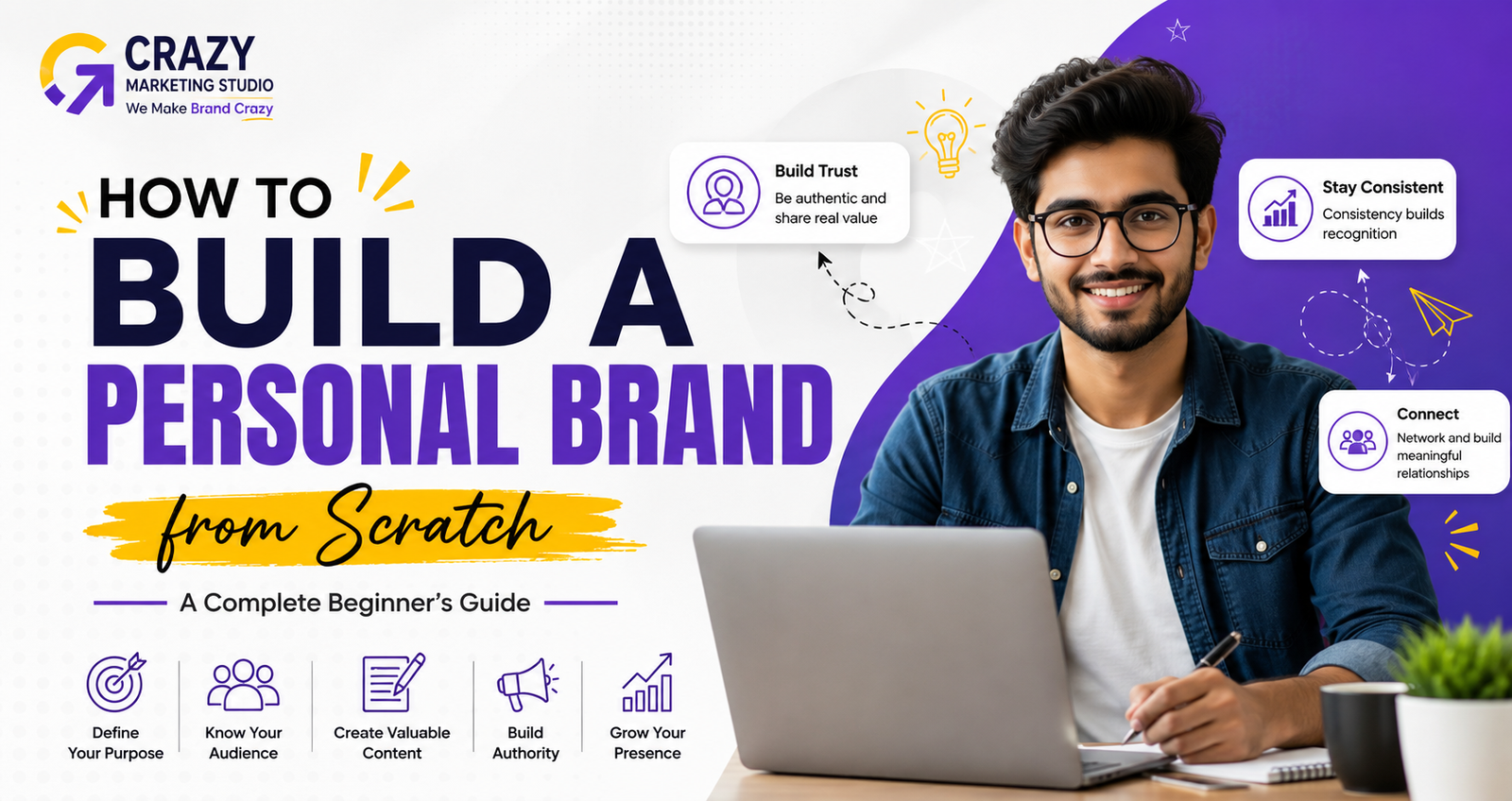
How to Build a Personal Brand from Scratch
Learn how to build a personal brand from scratch with proven strategies, content tips, and branding techniques to grow your online presence
How to Build a Personal Brand from Scratch
Building a strong online identity has become essential in today's digital world. How to Build a Personal Brand from Scratch is one of the most searched topics because professionals, students, freelancers, entrepreneurs, and creators all want to stand out in a competitive market. A personal brand is your online reputation—it represents your skills, values, expertise, and personality. When built correctly, it helps attract opportunities, clients, partnerships, and career growth.
Whether you're just starting your career or planning to grow your business, this guide explains How to Build a Personal Brand from Scratch step by step.
What is Personal Branding?
Personal branding is the process of creating a unique identity that people recognize and trust. It is how others perceive you online and offline.
A successful personal brand communicates:
- Your expertise
- Your personality
- Your values
- Your achievements
- Your unique skills
Think of your personal brand as your digital reputation.
Why Personal Branding Matters in 2026
The competition online is increasing every day. Companies now hire people based on both skills and online presence.
Benefits include:
- Better job opportunities
- More business inquiries
- Increased credibility
- Higher trust
- Speaking opportunities
- Networking with industry experts
- More followers and engagement
- Better career growth
Your personal brand works for you even when you're offline
Step 1: Define Your Purpose
Before posting content, ask yourself:
- What do I want to be known for?
- Who is my audience?
- What problems can I solve?
- What industries interest me?
Your niche could be:
- Digital Marketing
- Graphic Design
- Finance
- Fitness
- Technology
- Business
- Education
Choosing one niche helps build authority faster
step 2: Identify Your Target Audience
Understanding your audience makes content creation much easier.
Your audience may include:
- Students
- Business owners
- Marketing professionals
- Freelancers
- Recruiters
- Startups
When you know your audience, your content becomes more valuable.
Step 3: Build Professional Social Profiles
Consistency across all platforms creates trust.
Update your:
- YouTube
- X (Twitter)
Use:
- Professional profile picture
- Consistent username
- Clear bio
- Contact information
- Website link
Your bio should clearly explain who you are and what value you provide.
Step 4: Create Valuable Content
Content is the foundation of every successful personal brand.
Share content like:
- Educational posts
- Tips
- Industry insights
- Tutorials
- Case studies
- Behind-the-scenes
- Success stories
- Personal experiences
Remember:
People follow value, not sales.
Step 5: Stay Consistent
One post won't build a personal brand.
Follow a weekly content schedule:
- Monday – Tips
- Tuesday – Educational carousel
- Wednesday – Personal story
- Thursday – Industry news
- Friday – Case study
- Saturday – Reels
- Sunday – Q&A
Consistency builds trust over time.
Step 6: Develop Your Unique Voice
Avoid copying creators.
Instead:
- Share your opinions
- Explain concepts simply
- Tell personal stories
- Use your own style
People remember authenticity.
Step 7: Build Authority
Authority comes from demonstrating knowledge consistently.
Ways to build authority:
- Publish blogs
- Speak at webinars
- Share results
- Create guides
- Answer questions
- Collaborate with experts
The more value you provide, the stronger your reputation becomes.
Step 8: Network With Industry Professionals
Personal branding isn't only about posting.
Also:
- Comment on expert posts
- Join communities
- Attend webinars
- Connect on LinkedIn
- Participate in discussions
Networking creates new opportunities.
Step 9: Build a Personal Website
A website gives you complete control over your brand.
Include:
- About Me
- Portfolio
- Services
- Blog
- Contact Page
- Testimonials
A website increases your credibility and improves discoverability through search engines.
Step 10: Learn SEO for Personal Branding
SEO helps people discover your content organically.
Optimize:
- Blog titles
- Meta descriptions
- Keywords
- Headings
- Images
- Internal links
Writing SEO-friendly blogs regularly improves your visibility on Google.
Best Tools for Personal Branding
Useful tools include:
- Canva
- ChatGPT
- Google Analytics
- Buffer
- Notion
- Grammarly
- Google Trends
These tools help create better content and improve productivity.